
Highlights
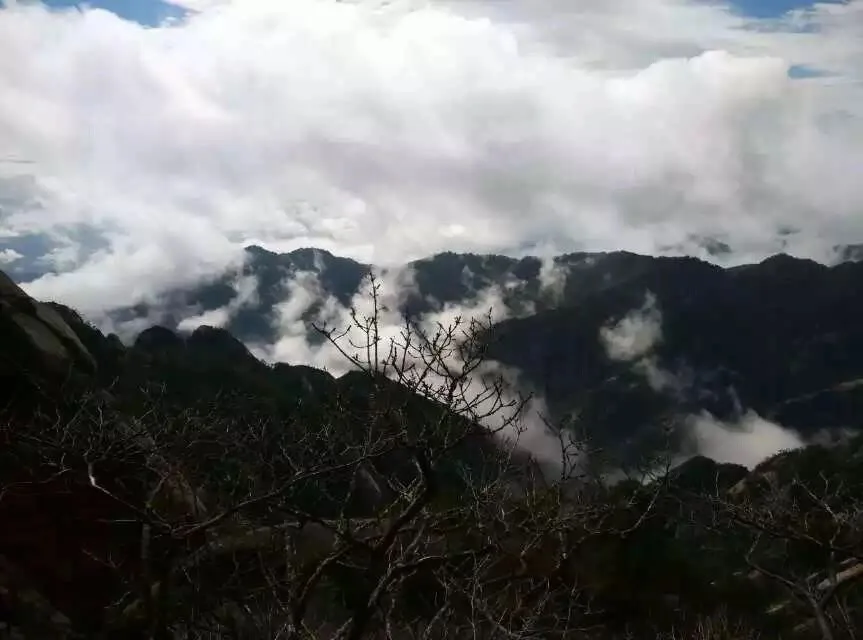
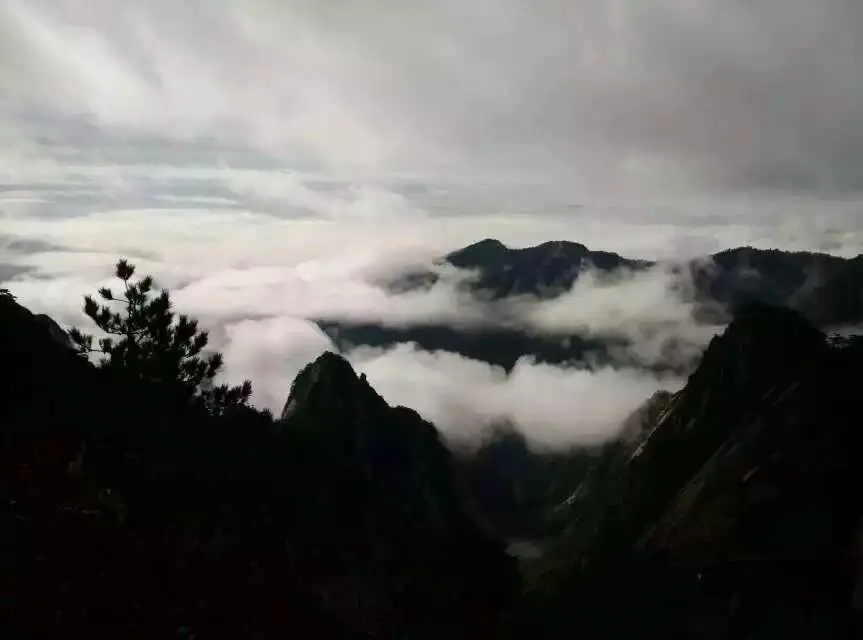
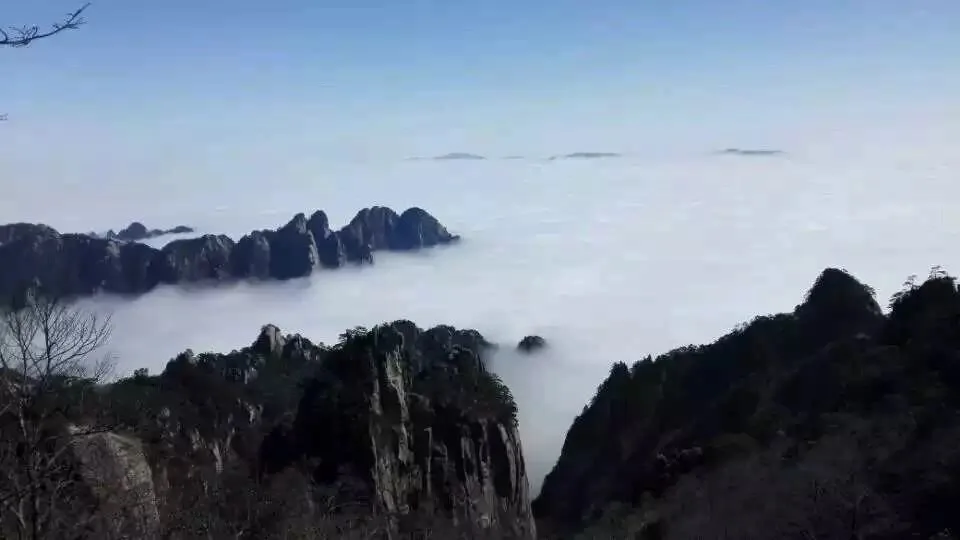
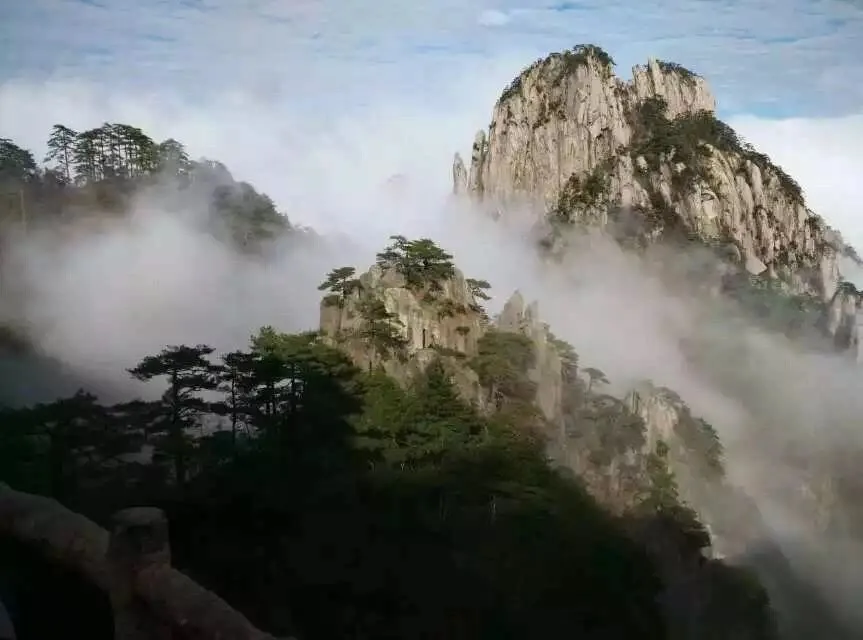
· Explore Huangshan, a UNESCO World Heritage Site whose scenery has inspired artists and poets for centuries. Look for distinctive pine trees, shifting clouds, and panoramic views at sunrise and sunset.
· Visit Hongcun near Huangshan’s southwestern slopes. Together with Xidi, it was inscribed on the UNESCO World Heritage List in 2000. White walls, dark roof tiles, stone bridges, ponds, and surrounding hills give the village the appearance of a traditional Chinese landscape painting.
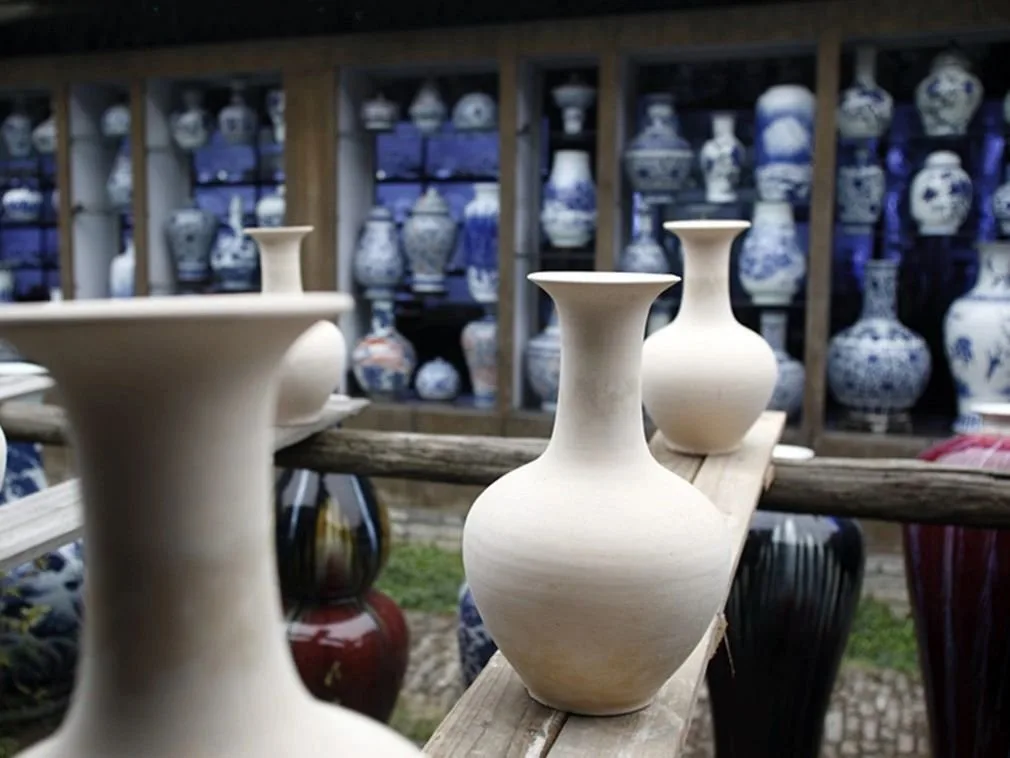
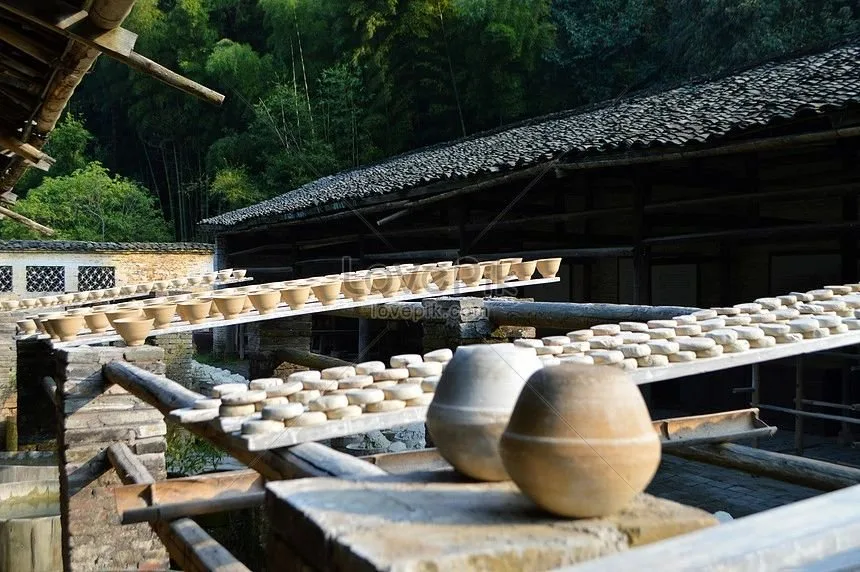
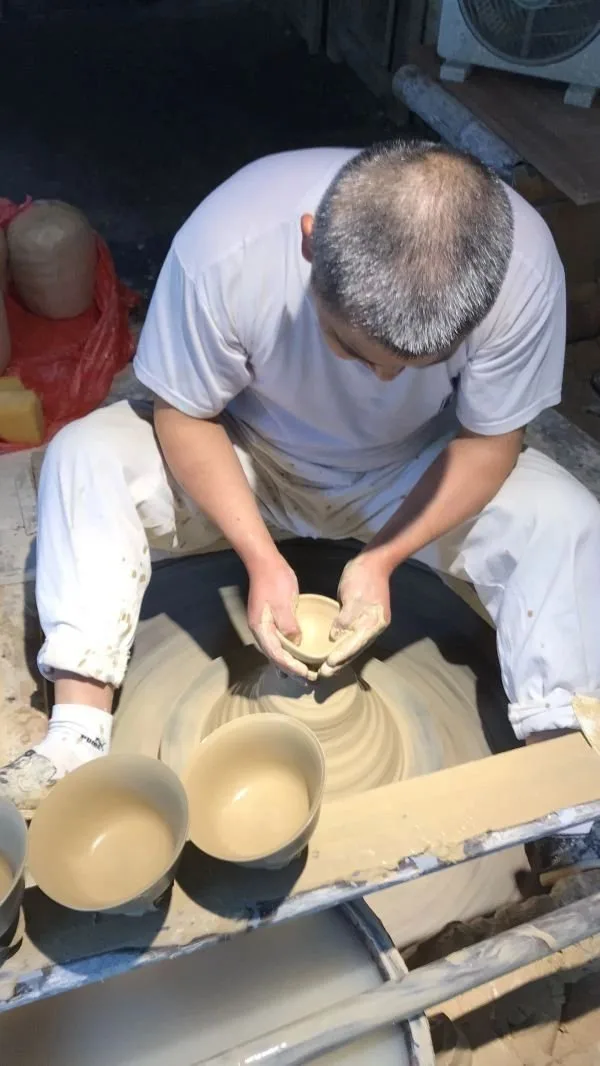
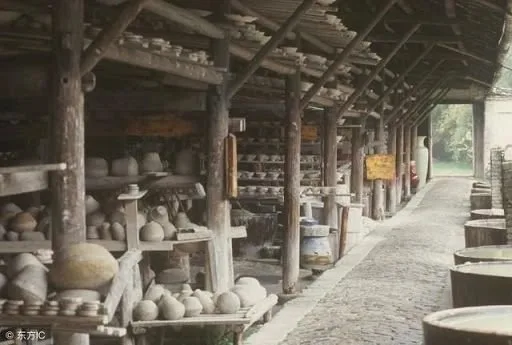
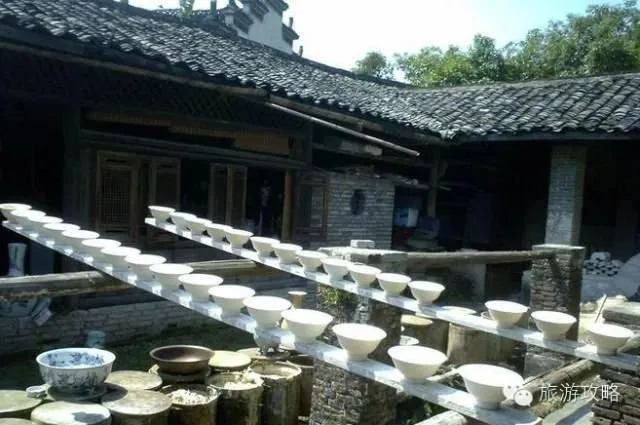
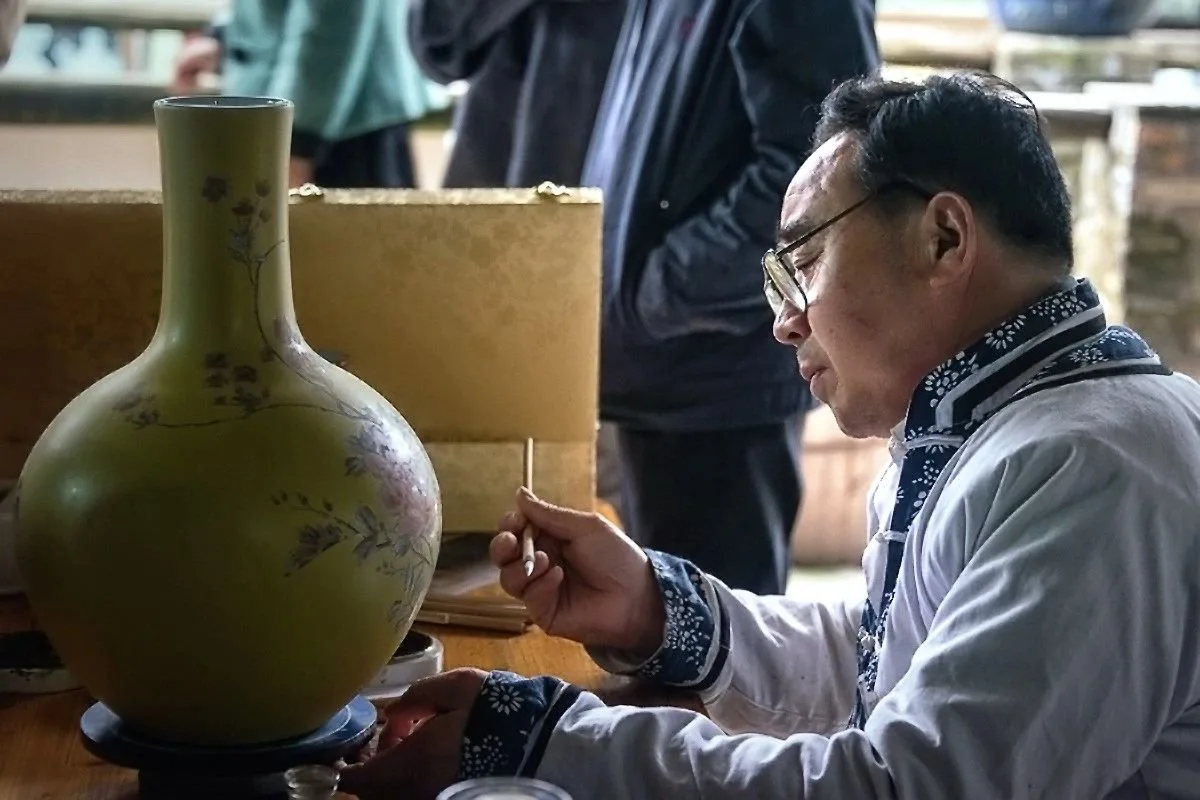
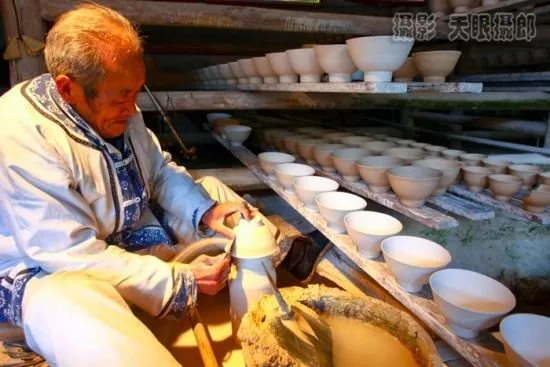
· Learn about the beautiful and rich history of Chinese porcelain production in Jingdezhen, a center of China's porcelain industry for over 2000 years.
YOUR JOURNEY
Route Map
Select a route section to explore the map. Tap a stop for its location or use the directions link for the next leg. Flights, trains, cruises and hiking arrangements follow your itinerary.
Huangshan-Jingdezhen tour Itinerary
Day 1: Arrive in Huangshan
Your guide will meet you at the airport or train station. Drive about 200 kilometers to Jingdezhen, a journey of approximately three hours. Known for its long tradition of porcelain production, the city offers a closer look at the craft and its place in Chinese history.
Traditional Chinese porcelain includes a rich range of green and blue-green glazes. During the Northern Song Dynasty (960–1279), Jingdezhen’s kilns produced refined blue-white porcelain, admired for its delicate color and smooth finish.
On arrival, check into your hotel and enjoy the rest of the evening at leisure.
Day 2: Jindgezhen
After breakfast, begin exploring Jingdezhen at the Ceramic History Museum. Its collection of more than 5,000 items includes ceramics from different dynasties, historical displays, paintings, and calligraphy.
The museum’s historic architecture is arranged in Ming Garden and Qing Garden. Wangbo Residence in Ming Garden is an example of traditional Huizhou architecture. The gardens bring together old workshops, kilns, and buildings relocated from across Jingdezhen. Watch demonstrations of porcelain production, admire the craftsmanship, and try selected parts of the process.
Next, explore Jingdezhen’s Old Street, which includes Ming Street, Qing Street, and the Old Pier. The historic buildings reflect the area’s role as a commercial and transportation center. Many have survived for more than 600 years and are protected for their architectural and historical value. The area remained a thriving commercial district during the Qing Dynasty.
Look for the well-preserved residences along Jingdezhen’s Old Street, many dating to the Ming and Qing dynasties. Their layouts and decorative details illustrate the craftsmanship and architectural traditions of their eras.
Stay overnight in Jingdezhen.
Day 3: Jingdezhen - Huangshan
Following breakfast, you will be taken to Yixian County, where we will visit the ancient villages of Hongcun and Xidi.
Hongcun is the main village where the Wang families live together. The Wang clan is a respectable family in the Central Plains of China. Enriched by green hills, two streams flow through the village from north and east, converging at Huiyuan Bridge. The village has two main streets and about 99 lanes. All the streets and alleys are paved with cobbles or black stones. The residences, lanes, and streets combine well with the hills and streams. Lying about 10 kilometers (6 miles) northeast of Yixian County, Hongcun Village enjoys the reputation of “a village in the beautiful Chinese picture.”
We’ll then head to the village of Xidi. Located at the foot of Mt. Huangshan, the city was built 900 years ago during the Song Dynasty. The village’s traditional architecture is well preserved. It has been proclaimed a World Heritage Site by UNESCO. The buildings and the street patterns reflect the socio-economic structure of an enduring period of Chinese history. Don’t miss the sizeable memorial archway that marks the village entrance.
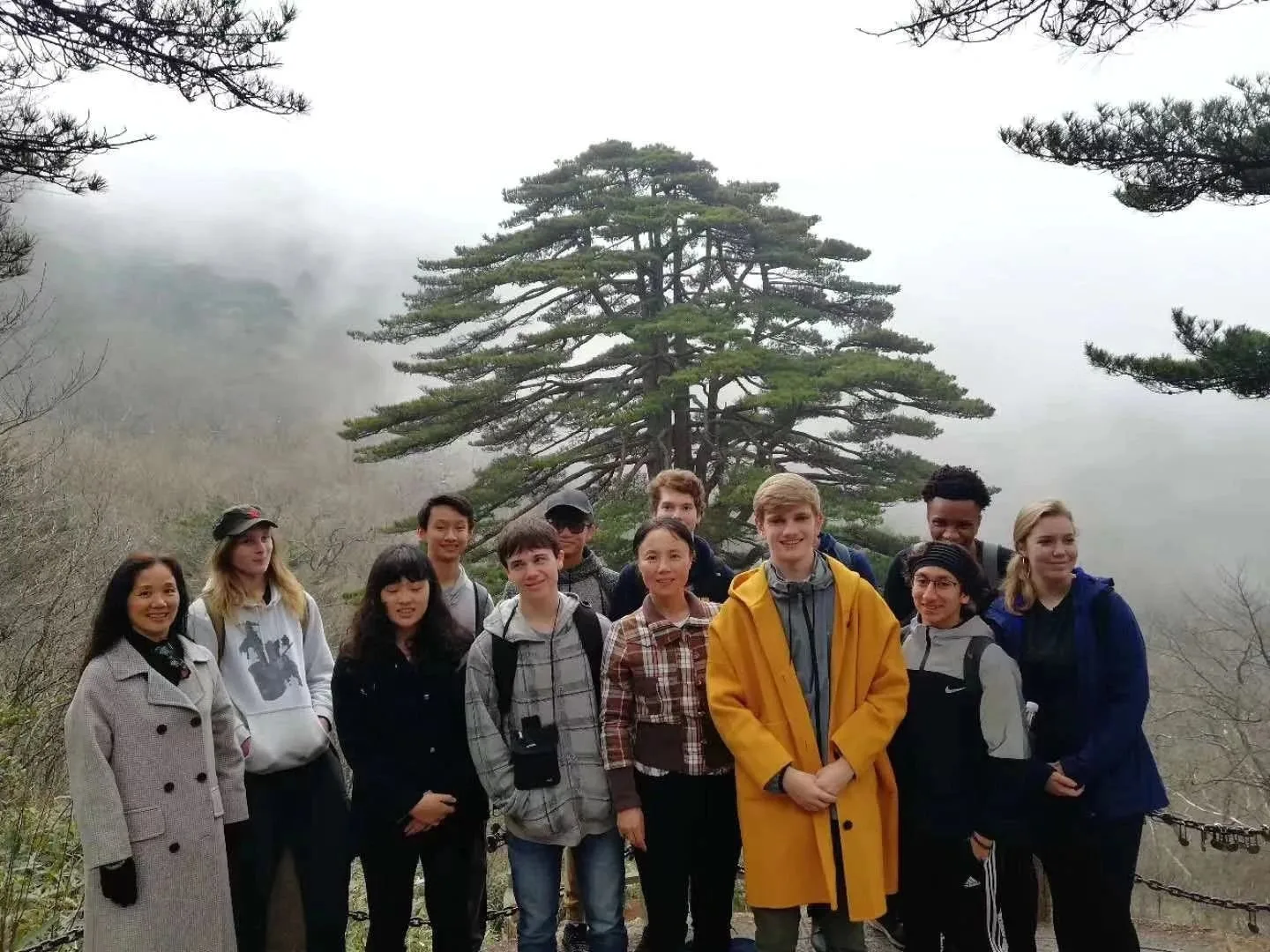
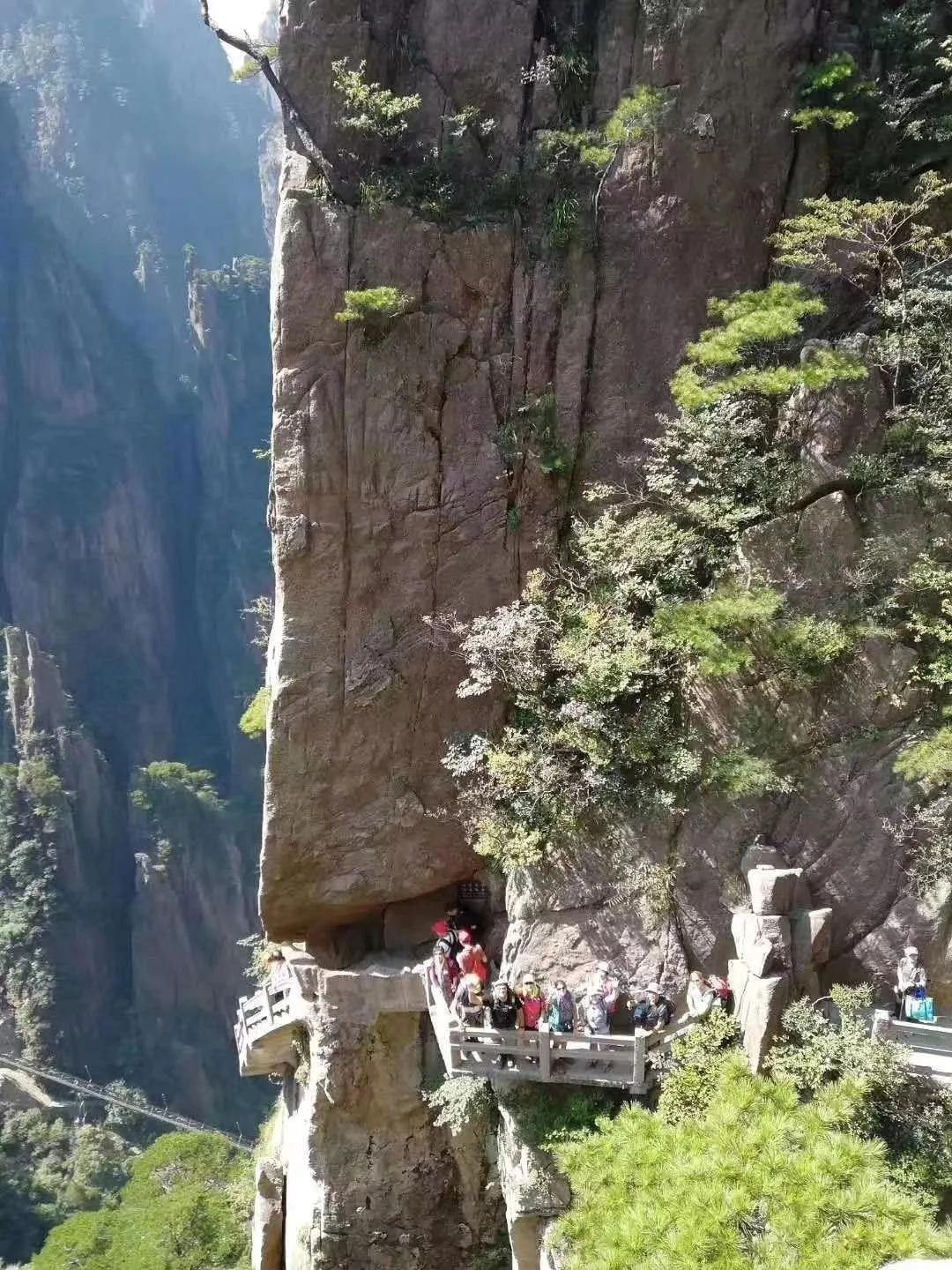
Drive to Huangshan, also known as Yellow Mountain and listed as a UNESCO World Heritage Site in 1990. Take the cable car from Yungu Station and check into your mountain hotel. Explore the rocky landscape and distinctive pines, whose curved trunks and branches reflect the challenging terrain.
Many Huangshan pines grow branches predominantly on one side. Notable examples include the Guest-Greeting Pine near the stone lion in front of Jade Screen Pavilion and the Guest-Goodbye Pine to the pavilion’s right.
Explore Huangshan’s peaks, including Brush Pen Peak and Beginning-to-Believe Peak. In the evening, enjoy the sunset from Cloud Dispelling Pavilion.
Day 4: Huangshan
Rise early for sunrise, weather permitting, then visit Shixin Peak to see its distinctive pine trees and mountain views. Descend by cable car and continue to Tunxi.
The Street is 1.5 kilometers long and 7 meters wide. The shops on the Street are all made of brick and wood and have double floors. All these houses in Huizhou style overflow a rush of strong archaic charm. Among them, the Tongderen is a Chinese traditional medicine shop. It was established in the second year of the Tongzhi Period of the Qing dynasty, with a history of over 120 years. The products of “Huizhou Four Carvings” (brick, wood, stone, and bamboo), Chinese painting in Anhui style, print, rubbing from a stone inscription, Goldstone seal cutting, Chinese pot gardening, and root carving can be found in this Street.
Before departing Huangshan, enjoy a meal featuring Huizhou regional cuisine. Your driver will then drop you off at the airport or railway station.
Huangshan-Jingdezhen Tour Photos
Huangshan Tour Packages
TAILOR-MADE TRAVEL
Request This Tour
Tell us your preferred dates, group size, and interests. We will prepare a personal proposal for your China journey.
Request the Tour