
CHINA ADVENTURE CLUB JOURNEYS
The Missionary Trail: Catholic Footprints in Northwestern Yunnan
Explore China Adventure Club journeysJourney at a glance
- Day 1 Arrival in Lijiang
- Day 2 Lijiang to Tacheng
- Day 3 Tacheng to Cizhong
- Day 4 Cizhong to Dimaluo
- Day 5 Dimaluo
- Day 6 Dimaluo to Gongshan
- Day 7 Gongshan to Liuku
- Day 8 Liuku to Dali
About this Journey
In northwestern Yunnan, remote slopes still feel untouched — yet Christian crosses dotting the landscape tell another story. Nearly 200 years ago, missionaries arrived here, and their legacy endures: every Sunday, local villagers gather in these same churches to worship.
Michelle Mope Andersson, D.Min., a Beijing-based counselor, has traced their history through old travelogues, academic research, and villagers’ oral accounts. On this journey, follow in their footsteps along routes first walked nearly two centuries ago.
Tour Highlights
- Learning from existential wellness counselor Michelle Mope Andersson D. Min. an avid researcher of missionary history in China
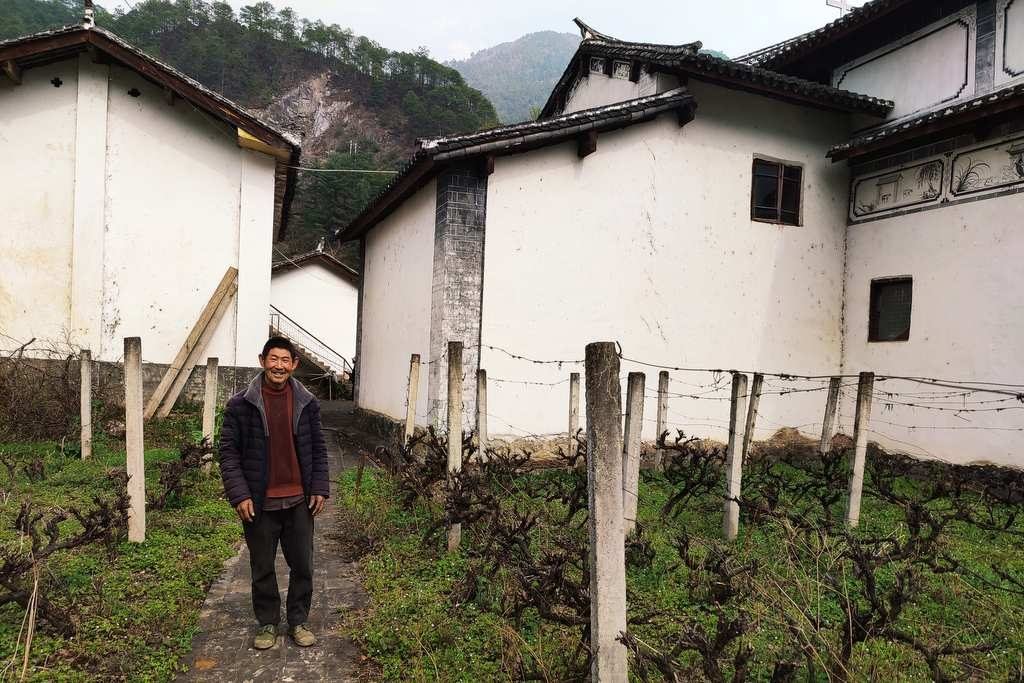
- Visiting a still active vineyard started by French and Swiss missionaries
- Immerse in the stunning natural landscapes and biodiversity along the Yangtze and Nu (Salween) Rivers
Michelle Mope Andersson
Michelle Mope Andersson is a counselor in Existential Wellness with a Doctorate in Ministry specializing in reconciliation and the arts, and holds Master’s degrees in Counselling, Spirituality, and Political Science.
Michelle lived and worked in Pyongyang, North Korea, with the UN Development Program (UNDP) as a crisis counselor for the international community — an experience that profoundly shaped her worldview.
A passionate traveler with an interest in sacred art and architecture, she has a deep knowledge of missionary history in China and brings a thoughtful, well-researched perspective to every journey.
YOUR JOURNEY
Route Map
Select a route section to explore the map. Tap a stop for its location or use the directions link for the next leg. Flights, trains, cruises and hiking arrangements follow your itinerary.
Itinerary
Day 1 Arrival in Lijiang
First Stop: Lijiang, Yunnan Province
Yunnan Province—which literally means “South of the Clouds” due to its location just south of the Tibetan Plateau—is home to some of the most diverse cultures, ecology, and terrain in China. The city of Lijiang lies in the shadow of Jade Dragon Snow Mountain and has entranced visitors for centuries with its singular architecture, quaint bridges, and narrow canals. Although Lijiang has transformed from its quaint roots into a tourist hub, there are still quieter side lanes to explore that hold encounters with Lijiang’s Naxi residents who depend on the mountain water that flows through the town’s canals. Classified as a World Heritage Site in 1997, Lijiang is a charming home base for accessing Yunnan’s authentic and lesser-known communities.
Arrival in Lijiang
Today is the day, the start of your China Adventure Club adventure. Step off the plane in Lijiang and meet your local guide in the airport arrivals hall. They’ll be waiting to welcome you and will have your private vehicle on standby, ready to whisk you off to your hotel for check in.
Welcome Dinner in Lijiang
Join your fellow guests for a Welcome Dinner. During dinner, you’ll get to know each other, your local guide, and learn more about the journey ahead.
Meals included: dinner
Day 2 Lijiang to Tacheng
Drive to Tacheng
The ride from Lijiang to Tacheng will take around 3.5 hours.
On the Way: Shigu Old Town
We’ll make a stop in Shigu Old Town, once a bustling market town along the Ancient Tea & Horse Caravan Trail. Here, stroll around town and barter with locals at the fresh produce market (keep an eye out for local delicacies such as wild honey and rainbow trout).
The town takes its name from the large, carved stone drum that is said to crack at the outbreak of a conflict. It is also the site of a sudden, sharp bend in the Yangtze River, called the first bend. Here, the water flows slowly and it has long been a place for passing armies to make the crossing. The Red Army itself passed through this area during the Long March in 1936.
Visit a Family in Hada Village
In Yunnan’s luscious tapestry of alpine farms and fields, Hada village sits in an unforgettable spot. In this culturally and ethnically diverse community surrounded by Weixi County’s countryside, you’ll stop in to visit a local family. With them, you’ll learn about life as a farmer in rural China. More than a simple cultural exchange over tea, you will go as far as learning how to make two staples of the local diet: soy milk and tofu.
Meals included: breakfast, lunch, and dinner
Day 3 Tacheng to Cizhong
Tacheng Snub Nosed Monkey Sanctuary
Deep in the mountainous forests of northern Yunnan lives one of China’s strangest, rarest, and most adorable creatures. The snub-nosed monkeys in these parts were once the stuff of legend, coveted for their fur and the supposed medicinal properties of their bones. These monkeys were first discovered and documented by the same French and Swiss missionaries who built the churches in the region, spreading the fame of these creatures to Europe in the late 1800s. Today, they are protected by nature reserves like the Tacheng National Park, where you’ll head into the wild with a local conservationist and hopefully catch a glimpse of these rare and endangered primates in their natural habitat.
Xiao Weixi Catholic Church
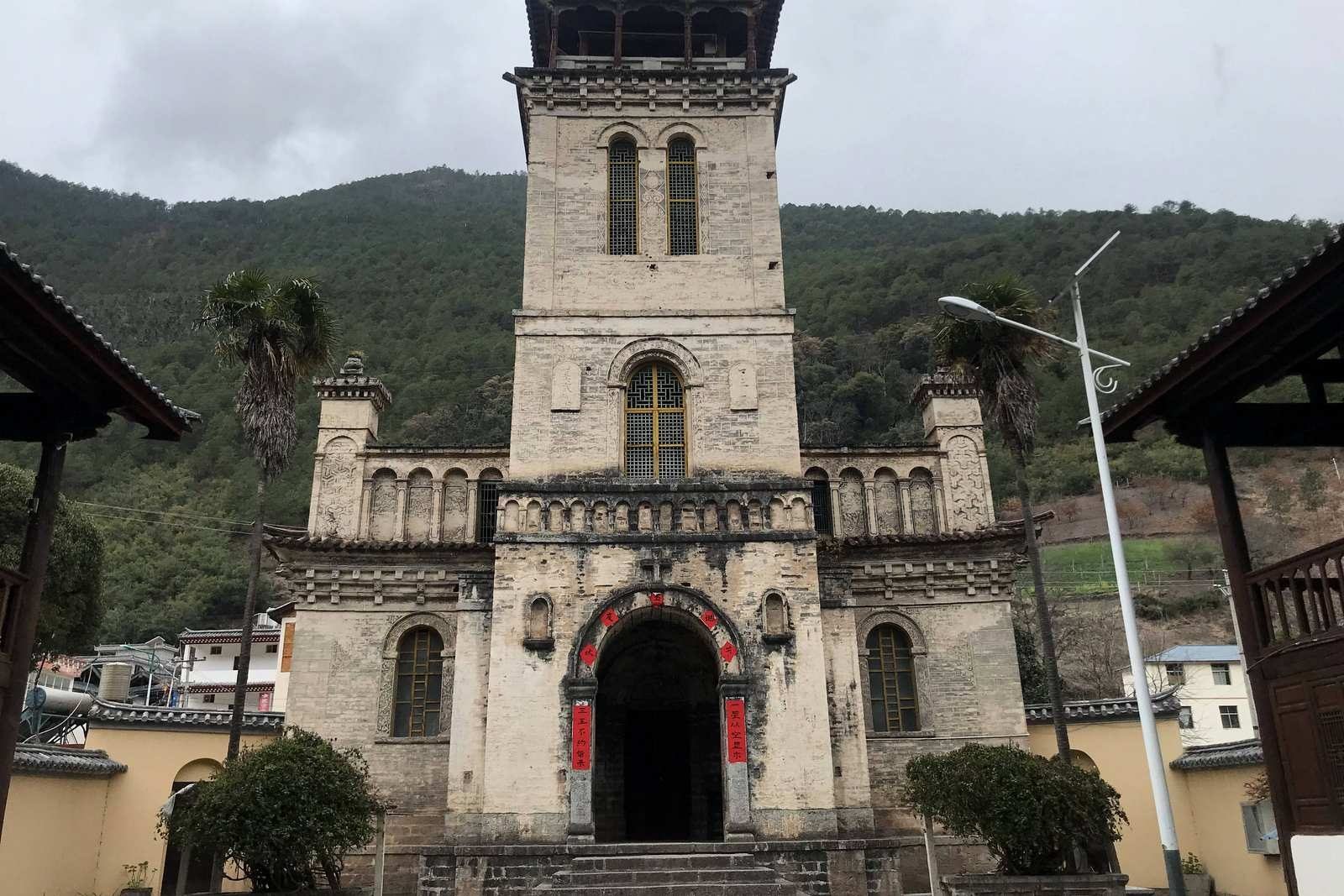
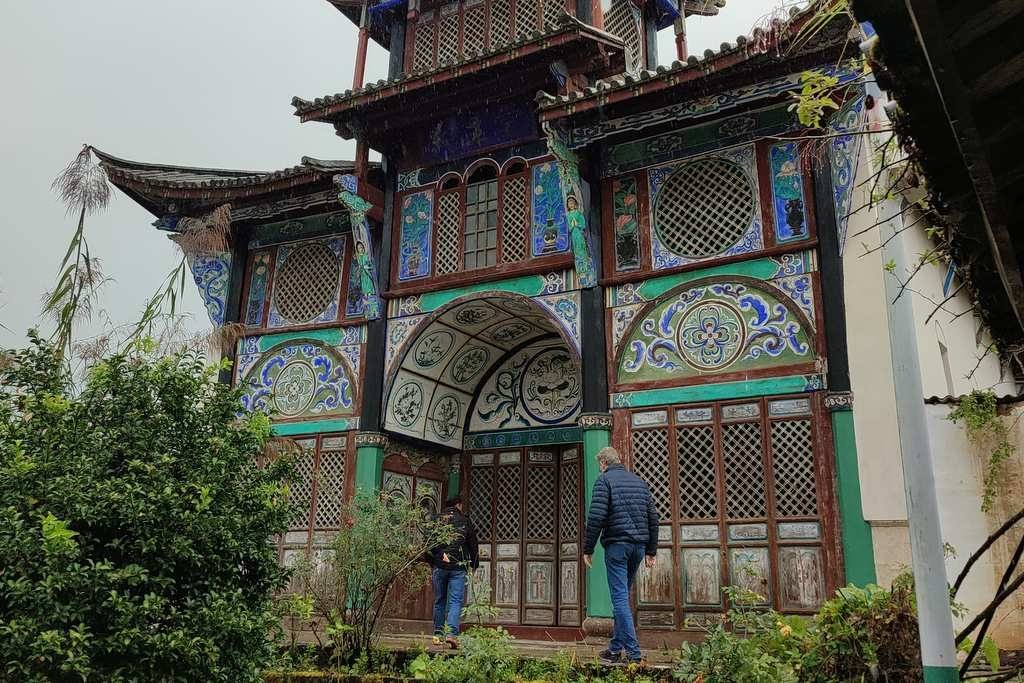
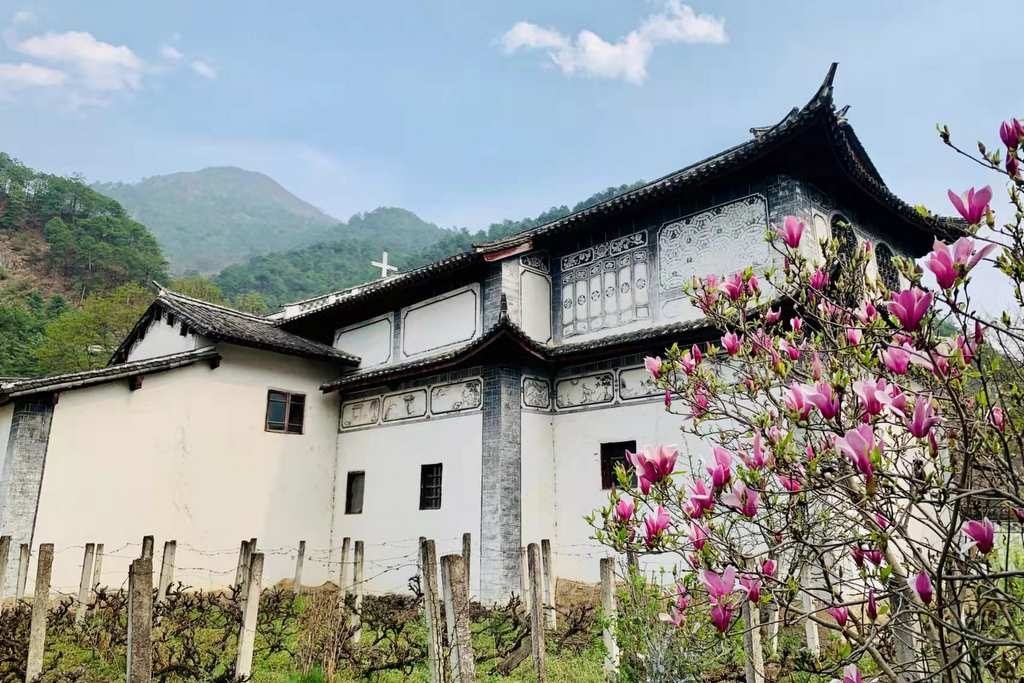
The Xiao Weixi Catholic Church was erected in 1870 by French and Swiss missionaries. Combining Western and local architecture styles into the final building, one hailing elements of both a traditional Chinese temple and a European Catholic church, complete with vineyards for the church wine. This building is believed to have the longest history of all the missionary relics left in Weixi County, it is also the best-preserved.
Drive to Cizhong
The ride from Tacheng to Cizhong will take around 4.5 hours.
Cizhong
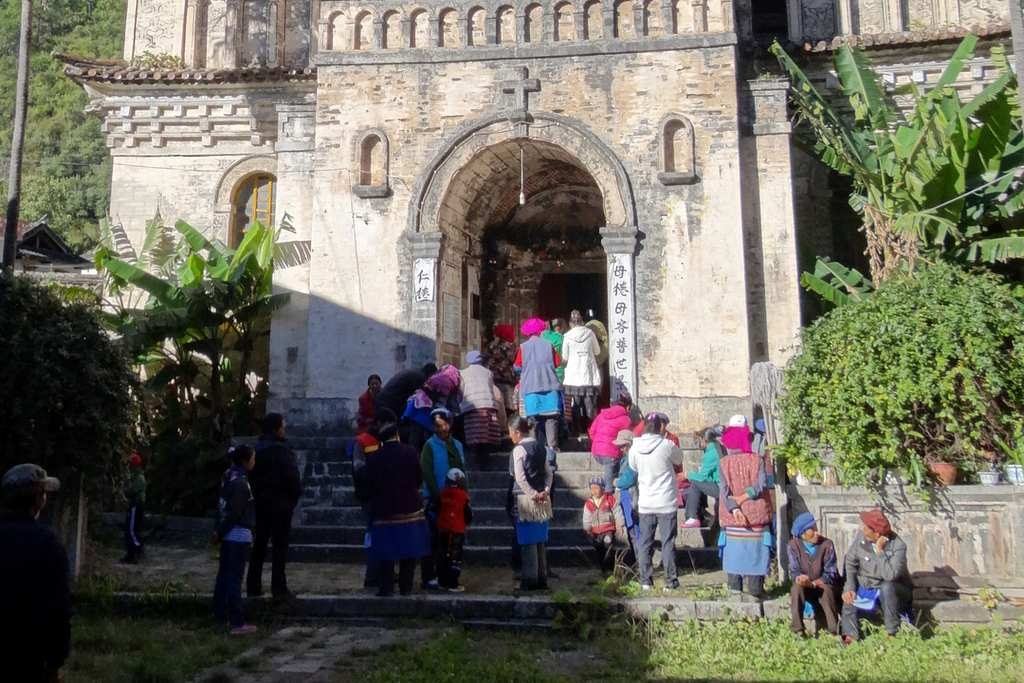
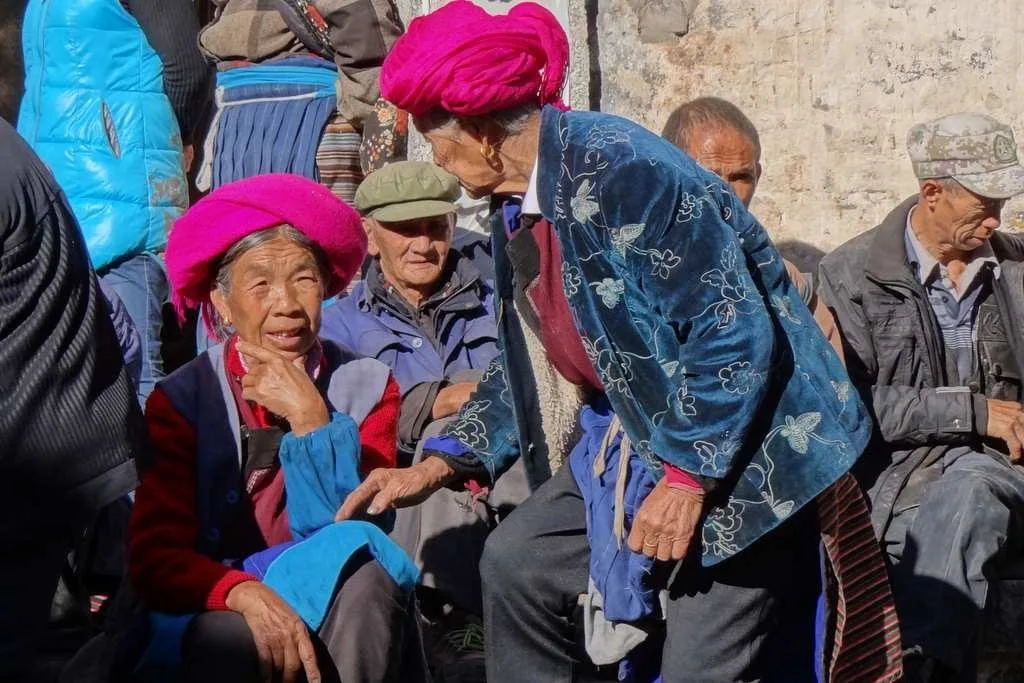
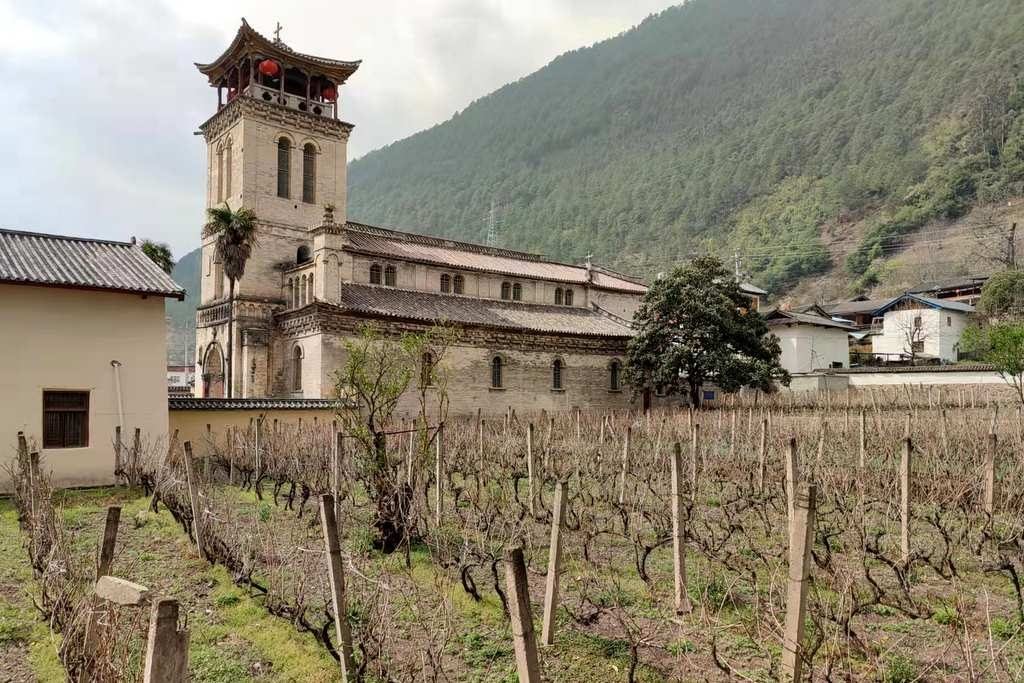
Hidden away among the misty, terraced hills above the Mekong valley, the picturesque village of Cizhong was settled by French Catholic missionaries 150 years ago. Today, the town is home to Lisu, Yi, and Tibetan people, who still tend the vineyards the French grew and attend the church built in a captivating blend of Chinese and European architectural styles. You’ll have the chance to sample the local wine and attend a Catholic service on this bizarre but unique edge of the Tibetan plateau. Afterwards, a priest will show us around and speak about daily life.
Meals included: breakfast, lunch, and dinner
Day 4 Cizhong to Dimaluo
Cizhong Church
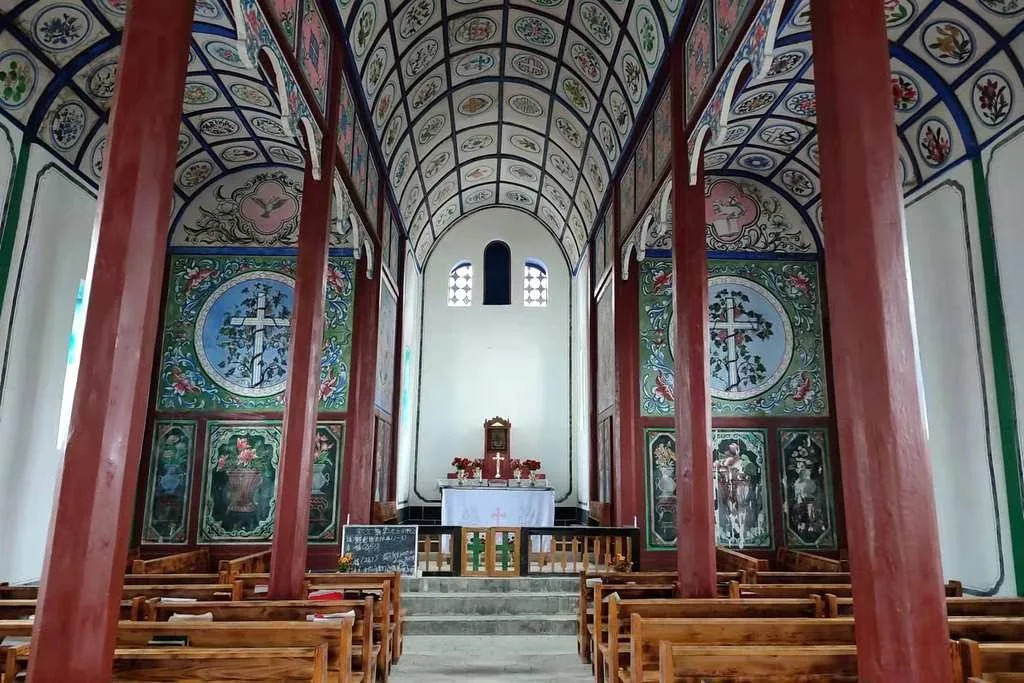
Cizhong Church was first built in 1867 by French missionaries from the Society of Foreign Missions of Paris. It was destroyed during the Tibetan Revolt of the early 1900s and rebuilt in the center of the town. Originally built in a predominantly European style, you’ll notice today that during the reconstruction a Chinese pavilion was added to the top of the bell tower. The church survived the wrath of the Cultural Revolution as it was being used as a primary school at the time and even today, it continues to be the center of the local community. Inside the church, you’ll see where Red Guards erased religious drawings on the walls and you’ll hear villagers singing Catholic songs in Tibetan as their ancestors once did.
Xiaoling Vineyard
Besides religious and architectural concepts, French priests also introduced the very European practice of grape cultivation and wine production, both in Cizhong and downriver in Xiaoweixi. They also accumulated a large library of books in both French and Chinese. Today, we will visit one vineyard called Xiaoling, managed by local Tibetans, and have the chance to taste some of their fine wines.
Drive to Dimaluo
The ride from Cizhong to Dimaluo will take around 4 hours. The drive will pass by forest, snow-capped mountain pass (Mt. Biluoxueshan pass is around 3,890m above sea level).
Meals included: breakfast, lunch, and dinner
Day 5 Dimaluo
Baihanluo Church
A mystifying blend of western and Chinese architecture, Baihanluo is a church like no other, set in the bucolic wilds of northwest Yunnan. Built by French catholic missionary Annet Genestier at the end of the 19th century, the structure was razed to the ground by an angry mob in 1905, only to be rebuilt soon after. Standing beneath the vaulted ceiling by candlelight is a transcendental experience, as is the wild fruit wine – a legacy of the church’s French origins – said to be among the region’s finest.
Dimaluo Village
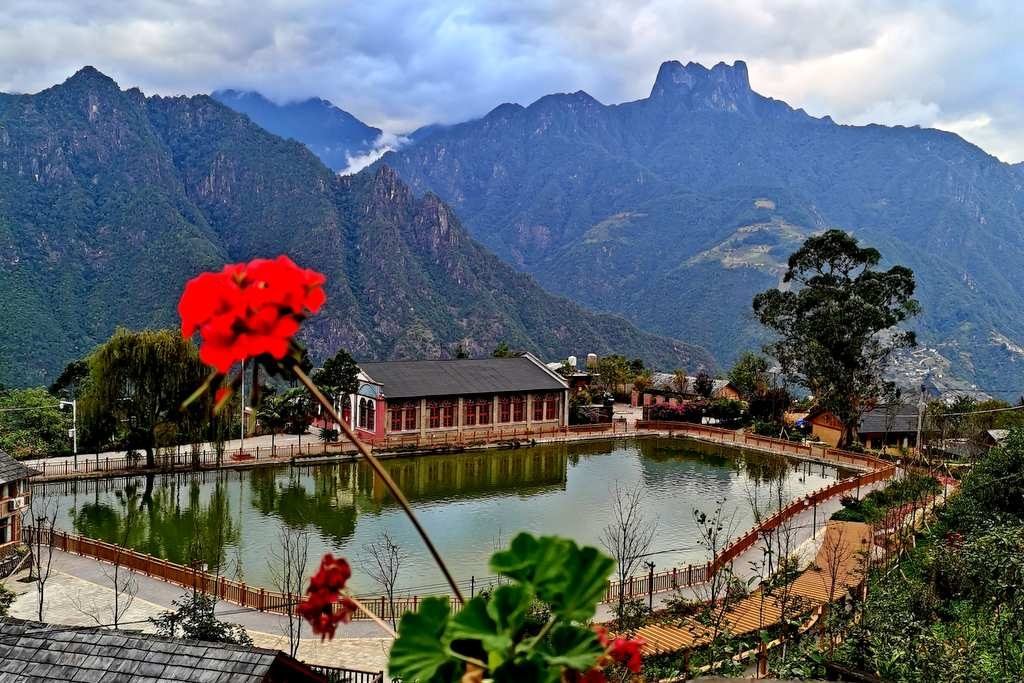
Visit Dimaluo, a Tibetan community in a forested valley of Yunnan. Its predominantly Catholic heritage reflects the work of early French-speaking missionaries. Nearby Lisu, Nu, and Dulong communities add to the region’s cultural diversity.
We will enjoy a dinner at at Aluo’s guesthouse, the ingredients are just from the villages, fresh and organic. The guesthouse is the house of Aluo’s father and his grandfather.
Meals included: breakfast, lunch, and dinner
Day 6 Dimaluo to Gongshan
Zhongding Church
Of the many religious structures in this curiously catholic corridor of Yunnan, the Zhongding church is the most famous. The building, with its twin belfries, is vaguely South American in style but with the distinctive Chinese flourish of curved temple eaves framed by the snow-dusted mountains beyond. The current structure is from 1996 and is smaller than the 20th-century original, the latter having been destroyed during the Cultural Revolution when the anti-religious fervor sweeping China reached this remote section of Yunnan.
Wuli Village
Tread the storied trail of the Tea Horse Road past splintered wooden bridges to reach tranquil Wuli, the definition of pastoral idyll. Around 60 households makeup the village, whose quaint wooden structures on the luxuriant slopes of the Nujiang Valley make for a dreamlike apparition. The ancient trading route is precipitous at this point, a narrow path hewn into sheer cliffs that all but cuts Wuli off to the outside world, creating a self-sufficient, pollution-free village paradise in this hidden corner of Yunnan.
Qiunatong Church
Qiunatong is the end of the road in Yunnan, the final village before arriving in Tibet proper, and it is truly a case of saving the best until last. This Nu settlement is an irresistibly charming ensemble of wooden homes with slate roofs, surrounded by fruit trees and set against virgin forested slopes, which give way to snow-capped peaks as the terrain climbs to the north. An equally endearing church stands at the center of the village’s cobbled lanes, which are freely occupied by the local cattle, donkeys and dogs.
Bingzhongluo
Lose yourself in the dramatic landscapes of Bingzhongluo, the self-styled gateway to Tibet nestled 350-kilometers into the Nujiang Valley. The town is more substantial than the surrounding settlements, and it makes for a striking visual and cultural experience to see low-rise administrative buildings rather than wooden huts set against the same dizzying canyon backdrop. A melting pot of the region’s ethnic communities, Bingzhongluo also offers markets, restaurants and an exciting hubbub that can’t be found in the sleepy hamlets further down the valley.
First Bend of the Nu River
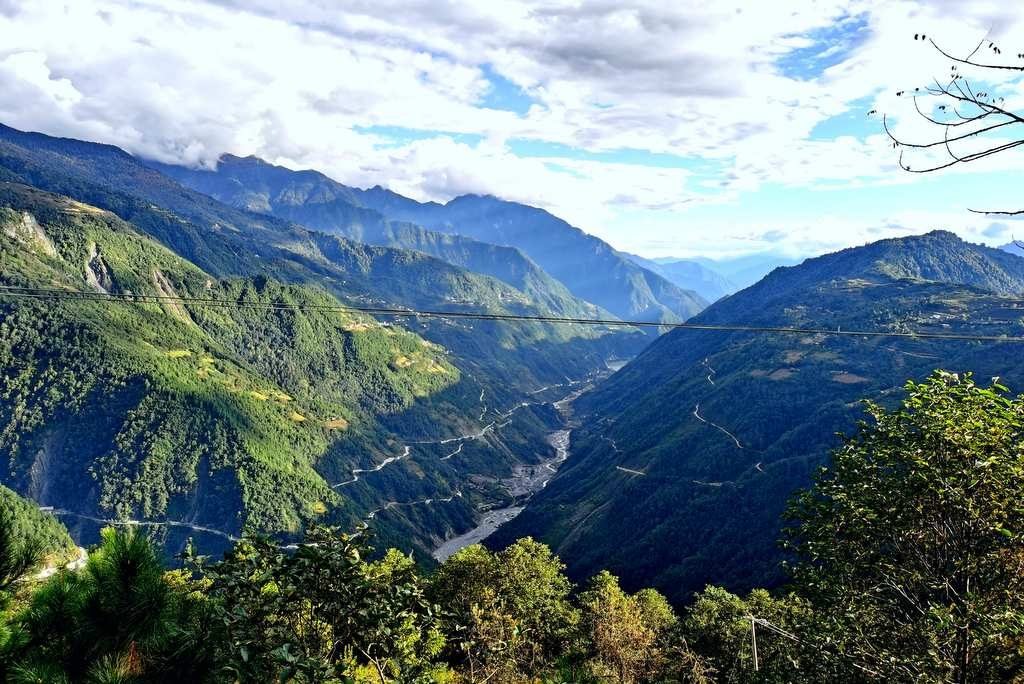
In the northwestern corner of Yunnan, the Nujiang river courses out of Tibet with an abrupt, handbrake turn. The resulting curve is a sight to behold, reminiscent of Arizona’s famous Horseshoe Bend but with the lush, verdant coverage familiar to the highlands of Southeast Asia. On the far bank, as the river contorts an impossible 180 degrees, a small patchwork farm sits encircled by water on three sides. This scene encapsulates the emotive beauty of the entire Nu Valley, and is easily appreciated from the well-placed roadside viewing platform.
Drive to Gongshan
The ride from Dimaluo to Gongshan will take around 1 hour.
Meals included: breakfast, lunch, and dinner
Day 7 Gongshan to Liuku
Drive to Liuku
The ride from Gongshan to Liuku will take around 5 hours.
On the Way: Laomudeng Village
Laomudeng means ‘the place people like to come’ in the local Nu language, and it is exactly that. The village is more prosperous than its neighbors, having benefitted from increased tourism to area in recent years thanks to the indescribable views it affords down the Nujiang Valley, especially at dawn, when heavy, moisture-laden clouds rest atop the canyon slopes. The church at the heart of the village is more utilitarian than some, but is nonetheless one of the biggest and the center of a thriving religious community in Laomudeng.
Meals included: breakfast, lunch, and dinner
Day 8 Liuku to Dali
Drive to Dali
The ride from Liuku to Dali will take around 3.5 hours.
Next Stop: Dali
Tucked between Cang Mountain and Erhai Lake, Dali is a Ming-era town that has retained much through the ages. It was once the chief city of Yunnan and the capital of the Nanzhao Kingdom, an empire that at its peak, stood up to the imperial Chinese armies. Though the Nanzhao Kingdom fell long ago, the indigenous Bai ethnic minority who comprised its population still accounts for the majority of the residents of Dali and surrounding villages.
Your guide will return you to your hotel at the end of the day or escort you to Dali airport, journey ends.
Feel free to continue exploring the coffee regions and missionary history around Dali as extended trip. Or let your Travel Designer know if you need any help.
Meals included: breakfast
Hotels
The Bivou, Lijiang
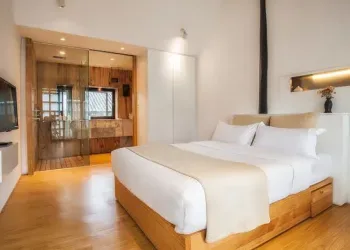
The Bivou — named after the Swiss word for “temporary encampment”—is a sustainable retreat at the foot of Yulong Mountain, with bamboo floors and solar-powered heating. Start your day with fresh fruit, homemade granola, and local honey before venturing into Southern China’s vast wilderness.
Habuda Yungu, Tacheng
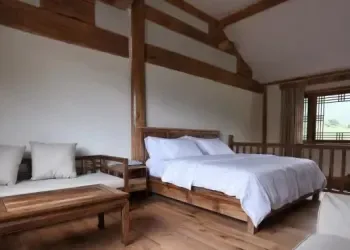
Perched above lush rice terraces in the farming community of Habuda Yungu (“cloud valley”), this charming bed and breakfast offers a peaceful base for exploring Tacheng. Designed by its former-soldier owner and opened in 2018, it features minimalist guestrooms with floor-to-ceiling windows and warm local character, with your guide on hand to assist with translation.
Songtsam Cizhong Lodge
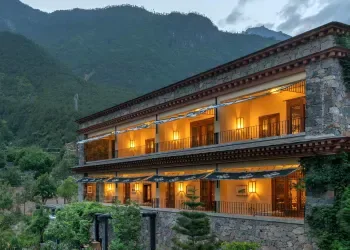
In the remote Upper Mekong River Valley, the chimes of a Catholic church still holding Sunday mass recall the Swiss and French missionaries who arrived here 150 years ago. Surrounded by Tibetan culture and mountain scenery, Songtsam Cizhong Lodge offers comfortable stays and locally sourced meals in this historic setting.
Gongshan Aluo Inn
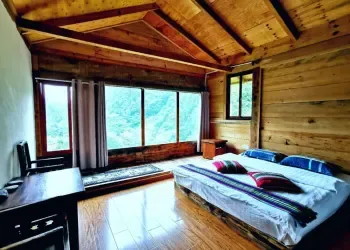
Opened in 2020, Aluo Inn’s timbered, minimalist design mirrors the beauty of the surrounding mountains. Spacious rooms offer comfort and canyon views, while nearby sights like Dimaluo and Baihanluo Church are within easy reach.
Gongshan Canyon Hotel
Gongshan Canyon Hotel, renovated in 2021, is one of the newest stays in town. Conveniently located near the Catholic Church and Sanjiang Mingzhu Square, it offers modern, well-kept rooms and a welcoming atmosphere — an ideal place to relax after a day of exploring.
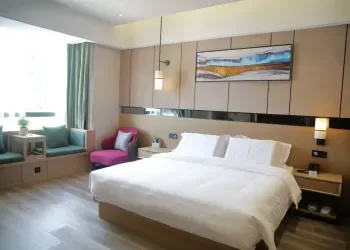
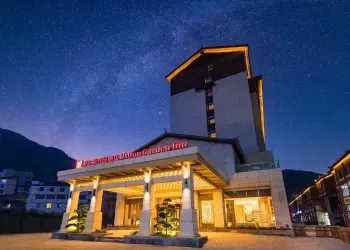
Hilton Garden Inn, Nujiang
The newly renovated Hilton Garden Inn Nujiang is a modern landmark in Lushui, set in the heart of the city with nature and cultural attractions close by. Popular with travelers exploring the Tea Horse Road and the region’s hidden gems, it offers contemporary comfort, a range of amenities, and standout dining at the Garden Grill and Noodles Bar.
Photos
Details
What’s Included
- Services of an English-speaking local English-speaking guide
- Accommodation based on double occupancy with breakfasts included
- All overland transfers with private chauffeur and in-transport refreshments
- Private chauffeur service to and from airport at start and end of your trip
- All admission fees and activity expenses, as noted in the itinerary
- Meals as noted in the itinerary with complimentary drinking water
What’s Excluded
- International and domestic flights, domestic trains, plus relevant taxes
- Chinese tourist visa, which is required for many foreign passport holders
- Travel and medical insurance
- Meals, apart from those included in the itinerary, and alcohol
- Expenses of a personal nature
- Excursions and activities not included in the itinerary
- Discretionary gratuities for guides and drivers
TAILOR-MADE TRAVEL
Request This Tour
Tell us your preferred dates, group size, and interests. We will prepare a personal proposal for your China journey.
Request the Tour