
CHINA ADVENTURE CLUB JOURNEYS
Finding Fabled Yunnan: Journey along the Tea Horse Road
Explore China Adventure Club journeysJourney at a glance
- Day 1 Lijiang
- Day 2 Lijiang
- Day 3 Shaxi
- Day 4 Shaxi
- Day 5 Shaxi to Shangri-la
- Day 6 Shangri-La
- Day 7 Shangri-la
- Day 8 Departure from Shangri-la
Journey above the clouds to discover the history, culture, and traditions that converged along China’s ancient trade route.
About this Journey
We’re thrilled to announce a new journey we’ve designed and developed together to provide a deeper immersion into the Ancient Tea and Horse Caravan Road that stretched from Southern Yunnan to Tibet.
Tour Highlights
- Joining monks over butter tea at Songzanlin Monastery
- Visiting Tibetan and minority villages and old trading posts along the Tea Horse Road
- Taking a Naxi embroidery class in Lijiang
- Dining in the shadow of the Meili Mountains
YOUR JOURNEY
Route Map
Select a route section to explore the map. Tap a stop for its location or use the directions link for the next leg. Flights, trains, cruises and hiking arrangements follow your itinerary.
Itinerary
Day 1 Lijiang
Your Journey Begins
Today is the day, the start of your China Adventure Club adventure. Step off the plane in Lijiang and meet your local guide in the airport arrivals hall. They’ll be waiting to welcome you and will have your private vehicle on standby, ready to whisk you off to your hotel for check in.
First Stop: Lijiang, Yunnan Province
Yunnan Province—which literally means “South of the Clouds” due to its location just south of the Tibetan Plateau—is home to some of the most diverse cultures, ecology, and terrain in China. With verdant low-lying valleys, spectacular white-capped mountains, rustic towns and villages, and a lively mix of ethnic minority communities, Yunnan has long inspired poets and travelers alike.
The city of Lijiang lies in the shadow of Jade Dragon Snow Mountain and has entranced visitors for centuries with its singular architecture, quaint bridges, and narrow canals. Although Lijiang has transformed from its quaint roots into a tourist hub, there are still quieter side lanes to explore that hold encounters with Lijiang’s Naxi residents who depend on the mountain water that flows through the town’s canals. Classified as a World Heritage Site in 1997, Lijiang is a charming home base for accessing Yunnan’s authentic and lesser-known communities.
Naxi Dinner Party
Experience the hospitality, culture, and cuisine of the Naxi people up close with a traditional dinner party in the courtyard home of a local family. Tuck into the light and spicy flavors of Naxi cooking, rustled up by a mother-in-law more than happy to show you how it’s done, all while being entertained by local dancing and music by performers whose traditional Chinese style survives only here at the edges of the Chinese world.
Day 2 Lijiang
Wenhai Valley
Today, we head out into the countryside. On the way to meet a Yi village Shaman, we’ll stretch our legs in Wenhai Valley. Graced with remarkable biodiversity and massive lush fields, the valley is home to fifteen rhododendron species and twenty percent of China’s bird species. We’ll take a stroll framed by mountains with flowers in bloom, looking out for yak and miniature horses, Lijiang far in the distance.
Hike Through Wenhai Valley
A visit to Yuhu Village will bring you right up to the foot of Jade Dragon Snow Mountain, its stone buildings seemingly tucked into the mountainside. Explore the streets for an hour before hiking out. Three hours of climbing later, look back over Wenhai Valley, framed by mountains with flowers in bloom, Lijiang far in the distance.
Discussion With a Yi Village Shaman (if time permits)
Visit a Yi village in the Jade Dragon Snow Mountain region to learn how local families maintain their cultural traditions. Conversations with residents offer insight into community life, heritage, and the changes shaping the region today.
The village Shaman, or Bimo, will welcome us to his village and share his perspective on local life, the challenges posed by development and his animist faith, a religion that predates the arrival of Buddhism in China. The Bimo is a sacred hereditary office held by one family over centuries. The incumbent is a well-respected scholar who mediates tribal disputes and presides over Yi ceremonies.
Pu’er Tea Experience
Pu’er is a variety of fermented tea traditionally produced in Yunnan. We’ll visit a local Pu’er tea workshop where we will taste the tea and also make our own Pu’er tea cake. The friendly staff at the processing workshop will introduce Pu’er tea and the process of tea making from steaming, rolling, and pressing into a tea cake. Afterward, we’ll learn more about the role Pu’er tea plays in the daily lives of the people in Lijiang.
Day 3 Shaxi
Next Stop: Shaxi
Shaxi, a beautifully preserved market town nestled in the idyllic rural landscape halfway between Lijiang and Dali. The town was once a bustling outpost where horses and tea, among other exotic goods, changed hands en route to Burma and Tibet. With Buddhist grottoes, lively weekend markets, and delightfully simple rural cuisine sourced straight from the surrounding farmland, Shaxi is packed with cultural intrigue and pastoral charm.
Stone Dragon Village
Visit Stone Dragon Village where ‘Those who can walk, dance; and those who can talk, sing.’ Meet the region’s Folk Music King and watch a captivating musical performance full of longing and lust, wantonness and excitement.
Hike Through Shibaoshan
The magnificent rock carvings of the 1,300-year-old Shibaoshan Grottoes showcase the dissemination of Mahayana Buddhism along the Tea and Horse Caravan Trail from Tibet to Yunnan province. We uncover each of the five grottoes on a 90-minute hike, new statues waiting in each. Then, we’ll end our hike at the Stone Bell Temple, its curved roofs and red walls clinging to the mountainside.
Day 4 Shaxi
Shaxi Market
Friday is market day in Shaxi. Every Friday morning, Yi, Bai, Lisu, Naxi, Hui, and Tibetan ethnic groups from the surrounding mountains gather in town to buy and sell produce, livestock, and handicrafts. Men and women will be dressed in their traditional colorful clothing and we’ll see them carrying large baskets and leading pack horses and mules down the network of narrow lanes leading to Shaxi’s central square.
Bai Feast
A balanced mix of Buddhist and Han cooking traditions, Bai cuisine is noted for its mix of spicy, sour and sweet flavors, hearty meat stews, peppery ham, and flaming hot pots. Recharge over a traditional meal, learn more about Bai culture and customs and hear how their culture was influenced by their role along the Tea and Horse Road.
An Evening to Yourself
Head back into town, rest up, and spend the remainder of your final evening as you please.
Day 5 Shaxi to Shangri-la
Next Stop: Shangri-La
Known as Gyalthang in Tibetan, the city of Zhongdian, was officially rechristened ‘Shangri-La’ after the mythical paradise described in James Hilton’s Lost Horizon. Located on a broad valley on the Tibetan Plateau at an altitude of 3,200 meters, surrounded by snow-capped peaks, primeval forests, and lakes, the town was a gateway to the historic Tibetan province of Kham and an important station for trade caravans along the Ancient Tea and Horse Caravan Trail. Today, it remains an important center for Yunnan’s Tibetan community.
Upon arrival, time will be allotted for you to acclimate to the thin air and high altitude.
Drive to Shangri-la
The drive from Shaxi to Shangri-la will take aproximately 3 hours.
On the Way: Shigu Old Town
We’ll make a stop in Shigu Old Town, once a bustling market town along the Ancient Tea & Horse Caravan Trail. Here, stroll around town and barter with locals at the fresh produce market (keep an eye out for local delicacies such as wild honey and rainbow trout).
The town takes its name from the large, carved stone drum that is said to crack at the outbreak of a conflict. It is also the site of a sudden, sharp bend in the Yangtze River, called the first bend. Here, the water flows slowly and it has long been a place for passing armies to make the crossing. The Red Army itself passed through this area during the Long March in 1936.
Tiger Leaping Gorge
Legend has it that while fleeing a hunter through the mountains of northern Yunnan, a tiger leapt across the raging rapids blocking its escape. This is how Tiger Leaping Gorge got its name, but its reputation comes from epic hiking trails shared with local shepherds and farmers that deliver views of outstanding natural beauty below. This is one of the deepest gorges in the world at 3,790 meters deep.
Day 6 Shangri-La
Songzanlin Monastery
Start your day among endless clusters of white boxy buildings, billowing clouds of incense, chanting monks, and views of snow-covered peaks in the distance at the Songzanlin Monastery. Known as Little Potala for its resemblance to the palace of the Dalai Lama in Lhasa, Songzanlin is the biggest Tibetan monastery in Yunnan and is currently home to 700 monks. Wander through incense-filled halls and past gilded copper pillars while rubbing shoulders with the red-robed devotees who gather here in their hundreds to study Buddhist scriptures and meditate by the orange light of butter-oil lamps.
Pudacuo National Park
After a morning meandering through Songzanlin’s halls, its time for some fresh air and open spaces. Take off to Pudacuo, the first national park established in China, home to 20% of the country’s flora and over 30% of its fauna, including over 100 endangered species. The park covers lakes, mountains, grasslands, and river valleys, yet on a leisurely hike of just two hours, you’ll be able to explore the ecosystems this park has to offer.
Dukezong Old Town
With more than 1300 years of history, Dukezong is an old Tibetan town also known as the ‘footstep of Shangri-La’, and was once a key stop in the Ancient Tea-Horse Road. This evening, you’ll explore the winding lanes decorated with multicolored Tibetan prayer flags, the outdoor markets and prayer halls, truly immersing yourself in the old Tibetan way of life.
An Evening to Yourself
Head back into town, rest up, and spend the remainder of your final evening as you please.
Day 7 Shangri-la
Napahai Lake
Drive about two hours to Napahai Lake, set at an elevation of 3,270 meters. Rivers feed the lake and its surrounding wetlands, with mountain views beyond. Look for yaks, sheep, and horses grazing nearby. Seasonal changes in water levels create varied habitats and opportunities for birdwatching.
Local Crafts: Oil Painting or Tibetan Weaving
Close out the day with a workshop in the local arts. You can learn one of two skills: oil painting or weaving a traditional Tibetan tea filter. Or. if you’re looking for something a bit more passive, there’s also the opportunity to try on some traditional Tibetan garb for a photoshoot!
Tibetan Home Visit
Get a real-life look at what a traditional Tibetan home looks like behind the scenes as your guide takes you to visit a neighboring family. The home is built in traditional style and the family operates with tradition as well, sharing with you their daily chores and offering some homely Tibetan snacks for you to sample like warm yak butter tea and tsampa.
Tibetan Hotpot Dinner
Shangri-La’s population is mostly Tibetan and the local cuisine is heavily influenced by this. Tonight, we’ll dine on Tibetan hotpot, a light hotpot that is characterized by the use of yak bone for the broth and yak meat, eaten together with various tofu and root vegetables that grow in the region. Over dinner, your local guide will introduce the town’s unique history and heritage.
Day 8 Departure from Shangri-la
Transfer to Airport
Your local guide and private chauffeur will escort you to the airport and help you check in for your departure flight.
Hotels
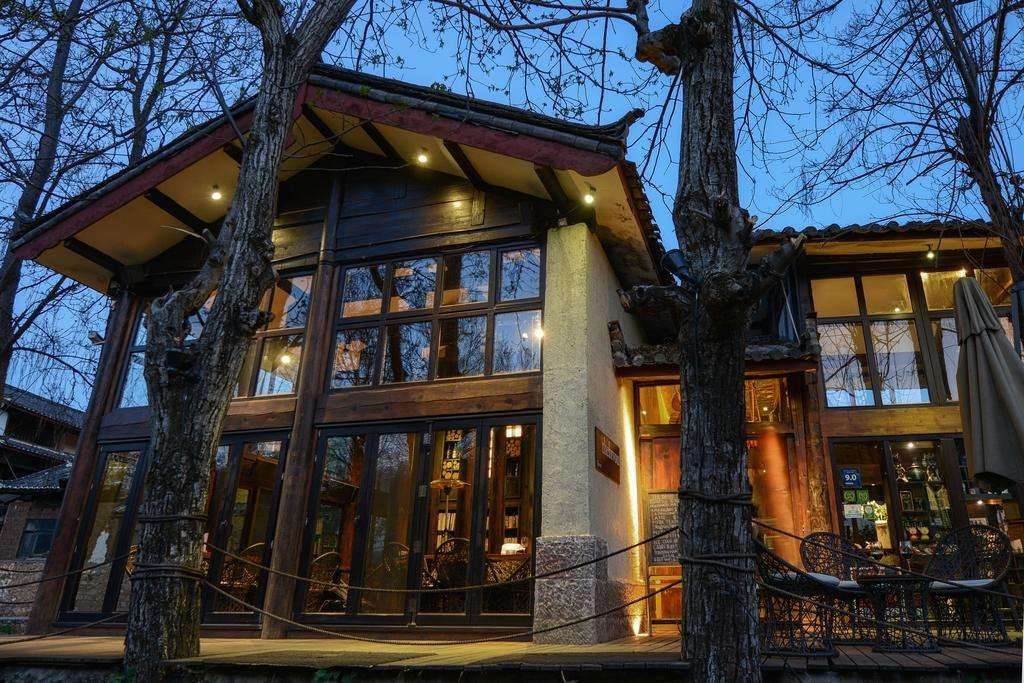
The Bivou, Lijiang
Local boutique
The Bivou, which derives its name from the old Swiss word for ‘temporary encampment’, offers itself up as both an ideal resting spot, as well as a convenient launching point into the vast wilderness of Southern China. This charming establishment is located at the foot of the Yulong Mountain and everything from the interior bamboo floors to the solar-powered heating system is a testament to the establishment’s sustainability pledge. Wake up every morning to an array of fresh fruit and homemade granola, complimented nicely with seasonal jams and local honey. Then, once you feel energized from the healthy offerings and crisp mountain air, set out to slake your wanderlust.
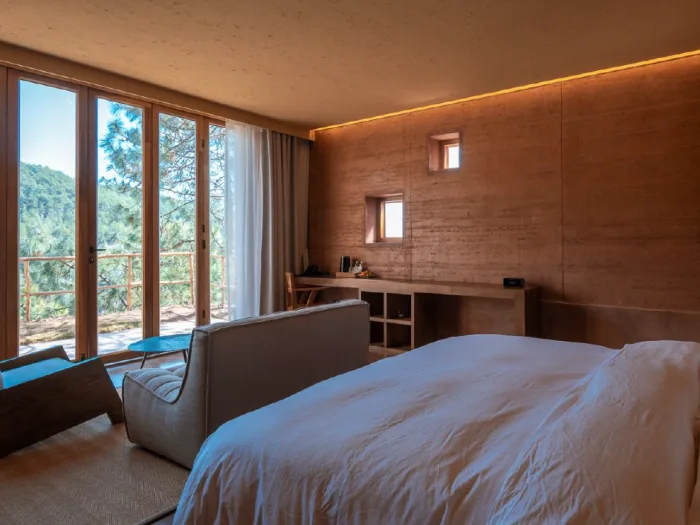
Linden Center Shaxi Shibaoshan
Luxury boutique
Nestled between mountain and reservoir amid the bucolic rural landscape of western Yunnan, the Linden Center Shaxi Shibaoshan is more than just a place to stay. The hotel’s exterior combines regional architectural techniques with elegant contemporary design, while wooden interiors create a sense of pastoral calm that reflects the tempo of country life in this part of China. Regular cultural activities and events in the community epitomize the center’s ethos of immersing guests in the local culture, as do the friendly and intuitive staff who mostly hail from the surrounding countryside.
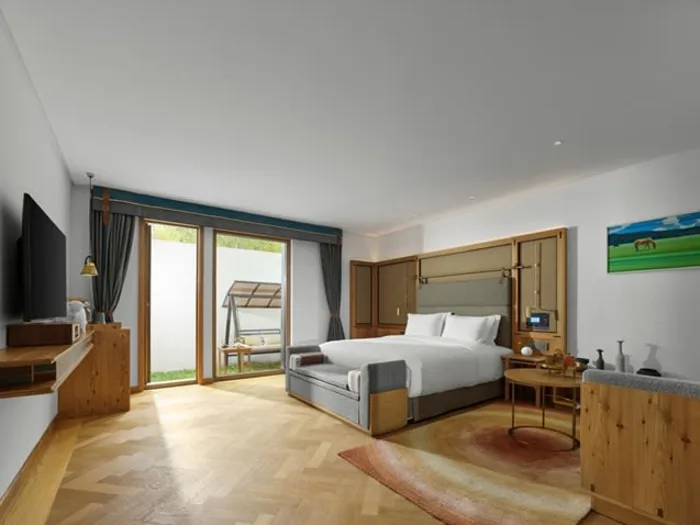
LUX* Tea Horse Road Shangri-La
Luxury boutique
Nestled high on a hill, LUX* Tea Horse Road Shangri-La is an enchanting retreat that seamlessly bridges the charm of past days with the promises of tomorrow. This 18-room boutique hotel draws inspiration from the quaint townhouses of the historic district, infusing a contemporary flair and cutting-edge technology throughout its design, including the innovative touch of oxygen in all spaces. Embodying minimalist modern architecture, LUX* Tea Horse Road Shangri-La effortlessly integrates into its natural surroundings, creating a visual masterpiece that complements the landscape.
Photos



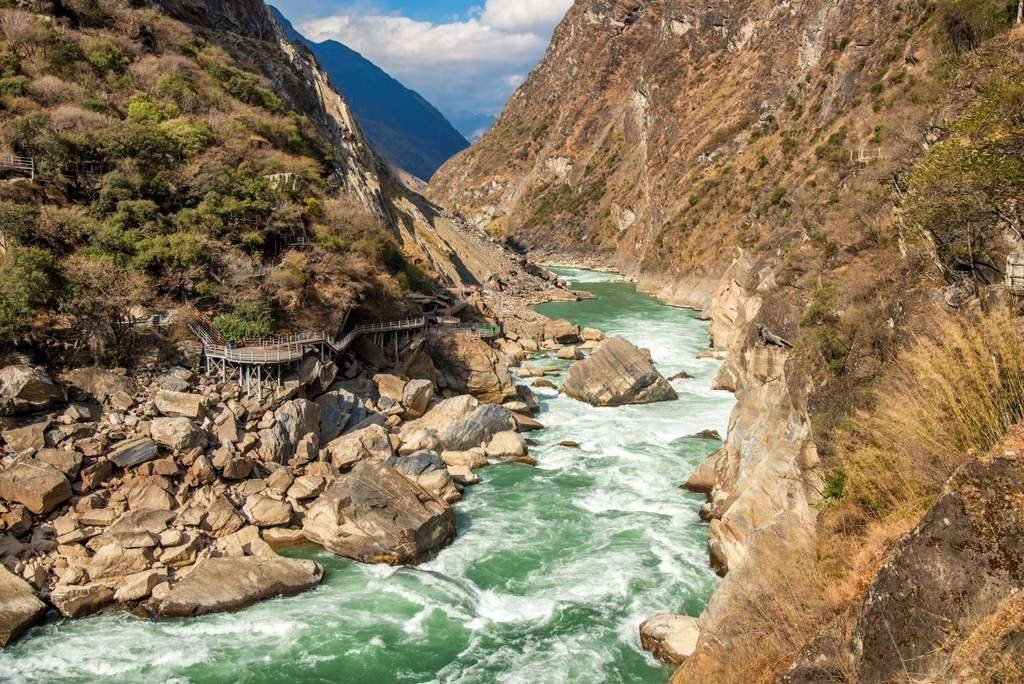
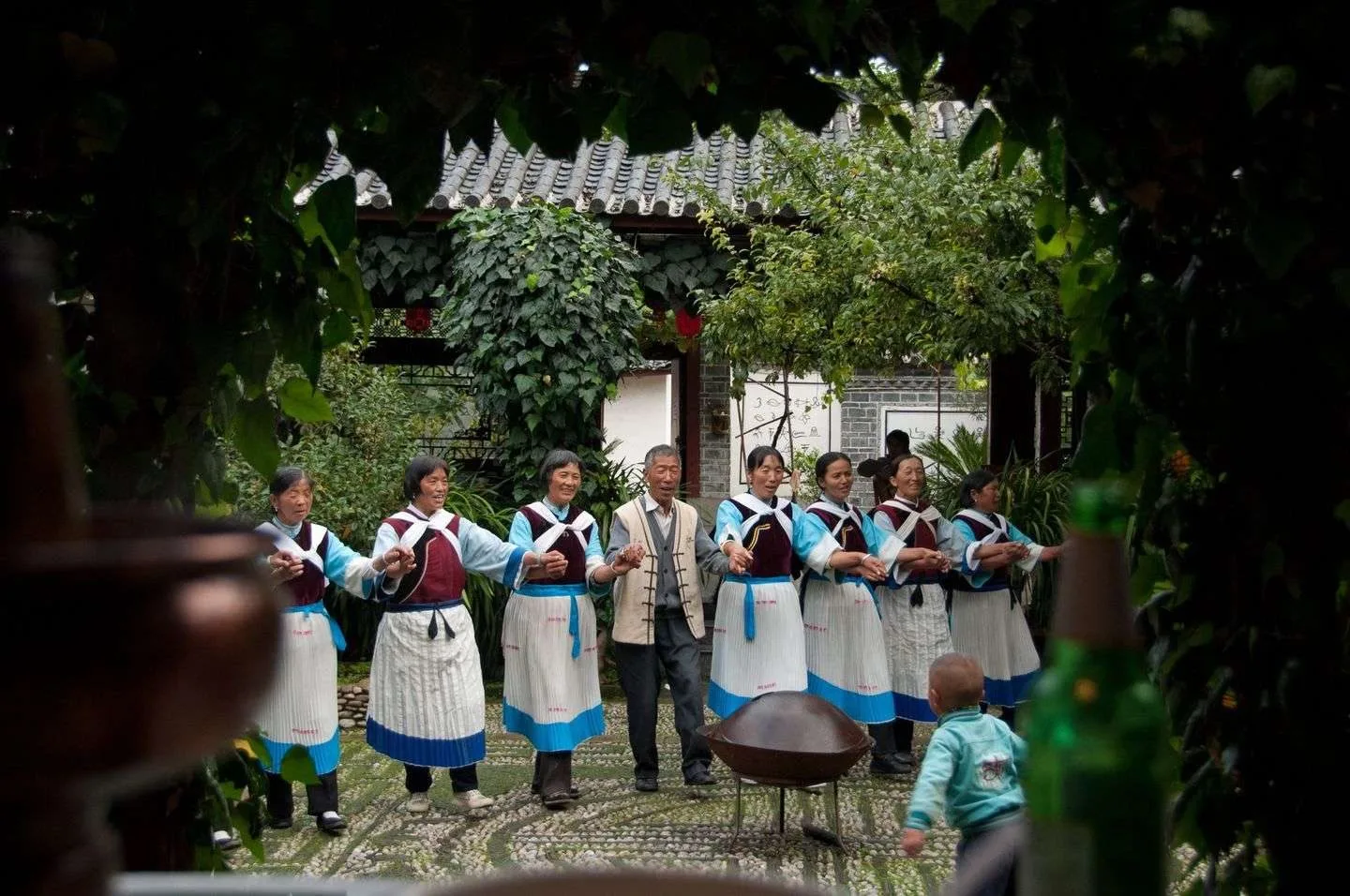
Photos Shangri-La, Yunnan - Andres 24-shangri-las-2315742 Black Dragon Pool is a famous pond in the scenic Jade Spring Park The legendary Tiger Leaping Gorge Naxi Minority Culture
Details
What’s Included
- Services of an English-speaking local English-speaking guide
- Accommodation based on double occupancy with breakfasts included
- All overland transfers with private chauffeur and in-transport refreshments
- Private chauffeur service to and from airport at start and end of your trip
- Domestic flights and trains, as noted in the itinerary
- All admission fees and activity expenses, as noted in the itinerary
- All meals as noted in the itinerary with complimentary drinking water
What’s Excluded
- Domestic flights and relevant taxes (domestic flight costs are listed separately in your quote)
- Chinese tourist visa, which is required for most foreign passport holders
- Travel and medical insurance
- Alcohol and meals not included in the itinerary
- Expenses of a personal nature (e.g. mini bar, personal telecommunications, laundry, etc.)
- Excursions and activities not included in the itinerary
- Discretionary gratuities for guides and drivers
TAILOR-MADE TRAVEL
Request This Tour
Tell us your preferred dates, group size, and interests. We will prepare a personal proposal for your China journey.
Request the Tour